Imaginary Office designed a warm and inclusive visual identity for a Bay Area family foundation whose philanthropic work primarily benefits nonprofits and startups in California and Hawaiʻi. Read the post to learn more about the identity and website design.
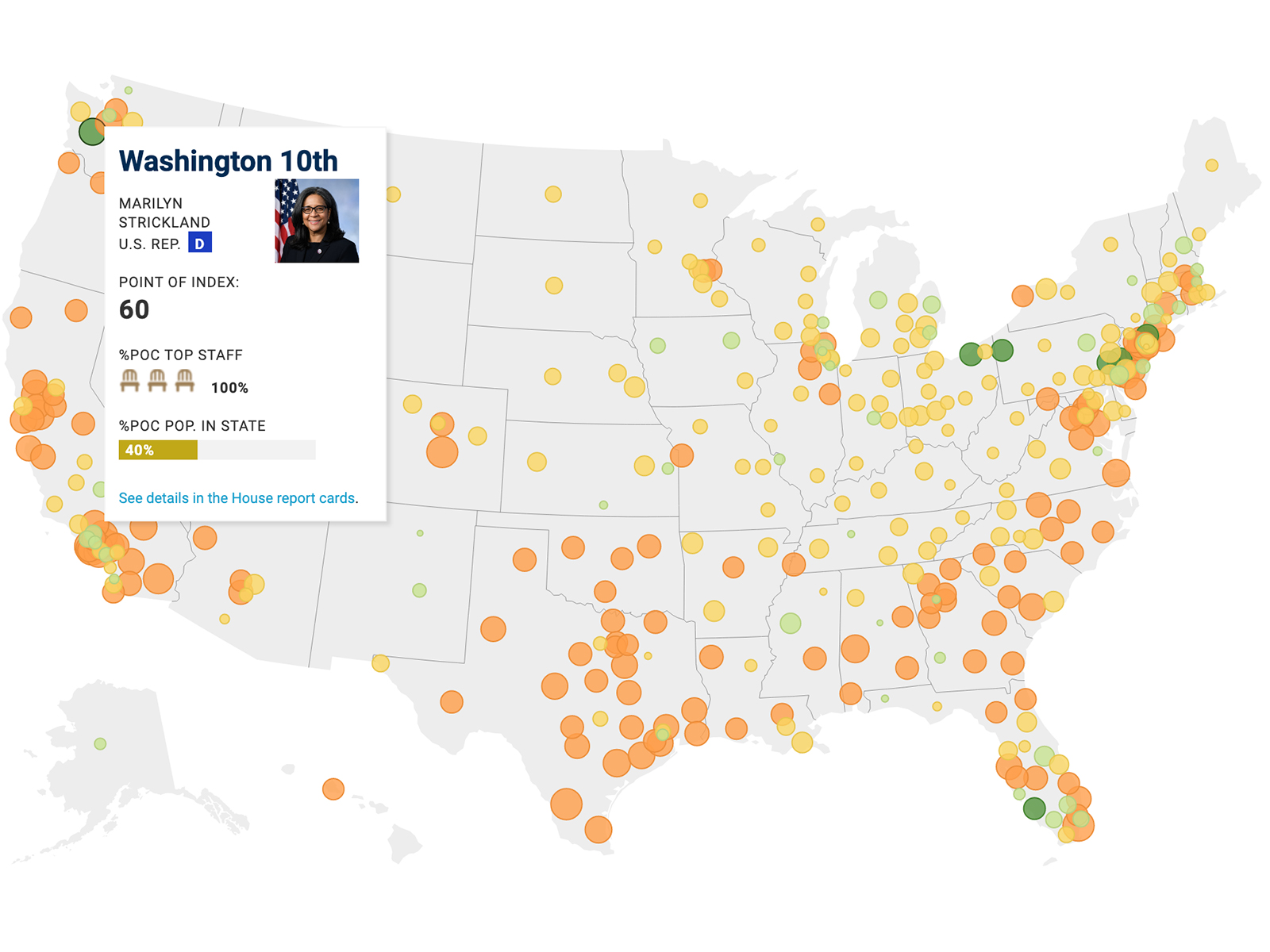
Imaginary Office worked with Joint Center researchers and staff to present data findings from two recent Congressional staffing diversity reports that encourage more racially diverse government hiring. Mapped and charted data show the percent people of color in a state or district in relation to their representation in key government positions.
Imaginary Office collaborated with ten NYC cultural institutions to design the visual identity for this cultural event series that celebrates 100 years of women’s suffrage in the US. The mark is inspired by the many starting points, participants, and local groups that make up the historic and current suffrage movements.
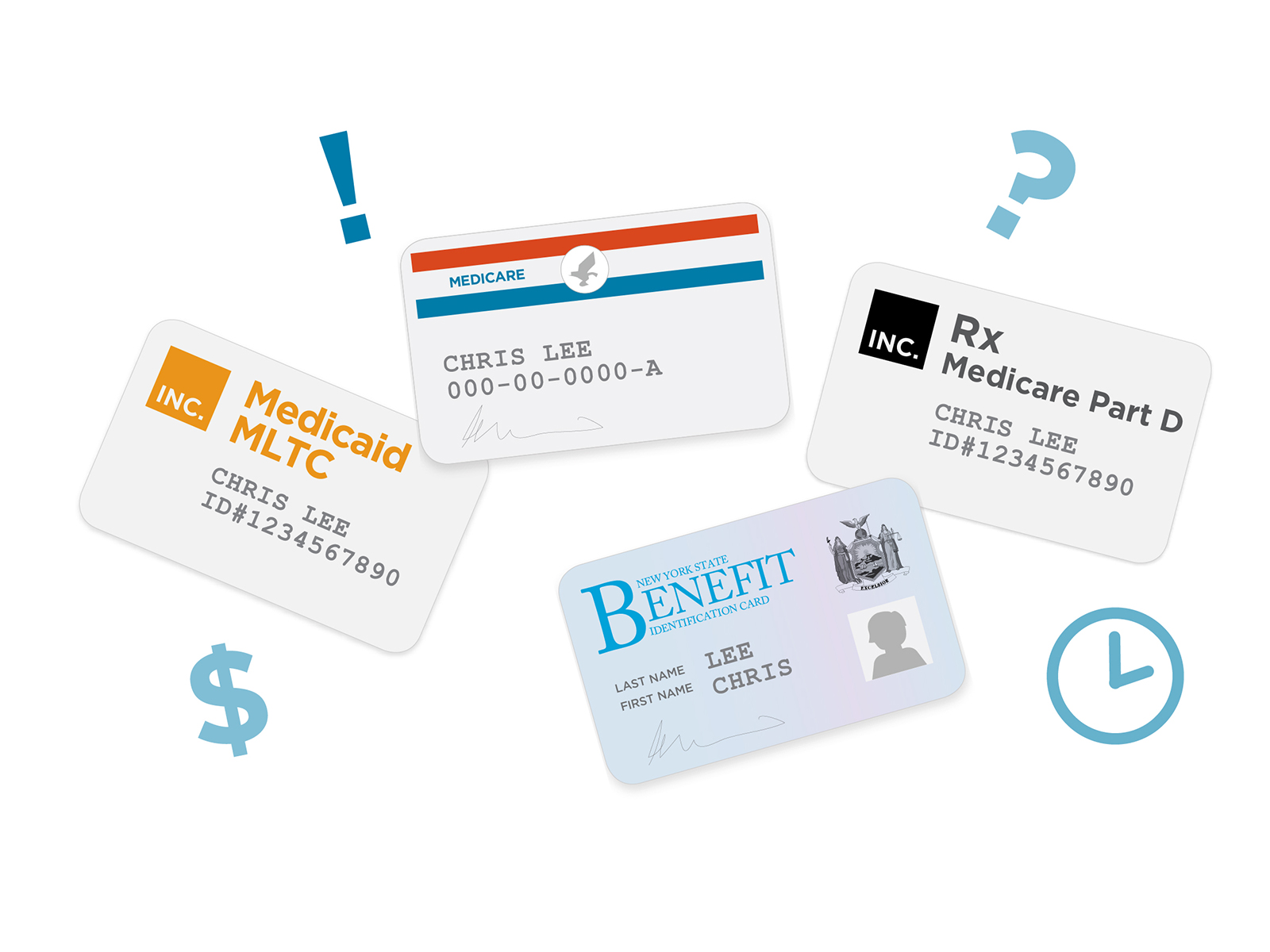
ICANNYS.org meets the challenge of providing accurate information about the newest state healthcare plans for elderly, disabled, and low income New Yorkers in English and nine additional languages.